






Wood is making an increasingly bold entrance into hotel and restaurant interiors, redefining the approach to comfort, aesthetics, and the guest experience. Natural materials not only add warmth to a space but also create a premium atmosphere that promotes tranquility and a sense of connection with nature. Unilin Panels, a global manufacturer of recycled wood-based panels, presents inspiring projects from hotels and restaurants around the world that have embraced wood-inspired design, creating warm, functional, and distinctive interiors.
Contemporary design in the hospitality sector is increasingly moving away from mere decoration and toward the deliberate creation of experiences that begin even before guests step into the lobby. In this context, wood evokes strong, almost instinctive associations—warmth, calm, and security, but also craftsmanship, authenticity, and a connection to nature. It is also increasingly becoming part of sustainable design strategies, responding to the growing importance of recycled materials, product durability, and a conscious approach to the life cycle of interiors. In this way, wood is already adorning interiors around the world: from the four-star Anatura Hotel in Luxembourg, through the comprehensive transformation of the Corsendonk–Hooge Heyde Hotel in Belgium, to the heavily used dining space at Pastificio Occhiolino in Toronto. In each of these cases, the material functions not merely as a finish, but as an integral part of the design concept.
The Most Beautiful Restaurant in Toronto
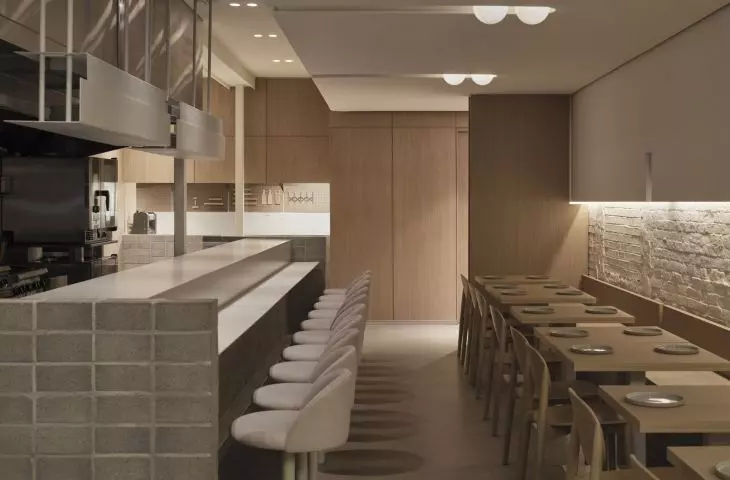
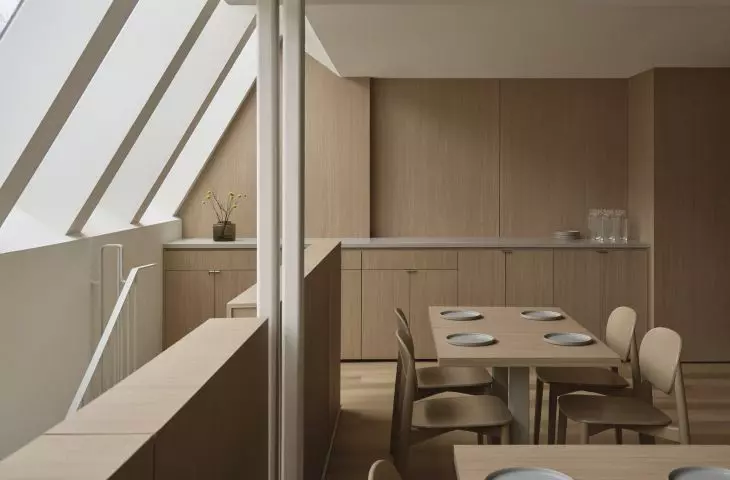
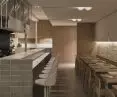
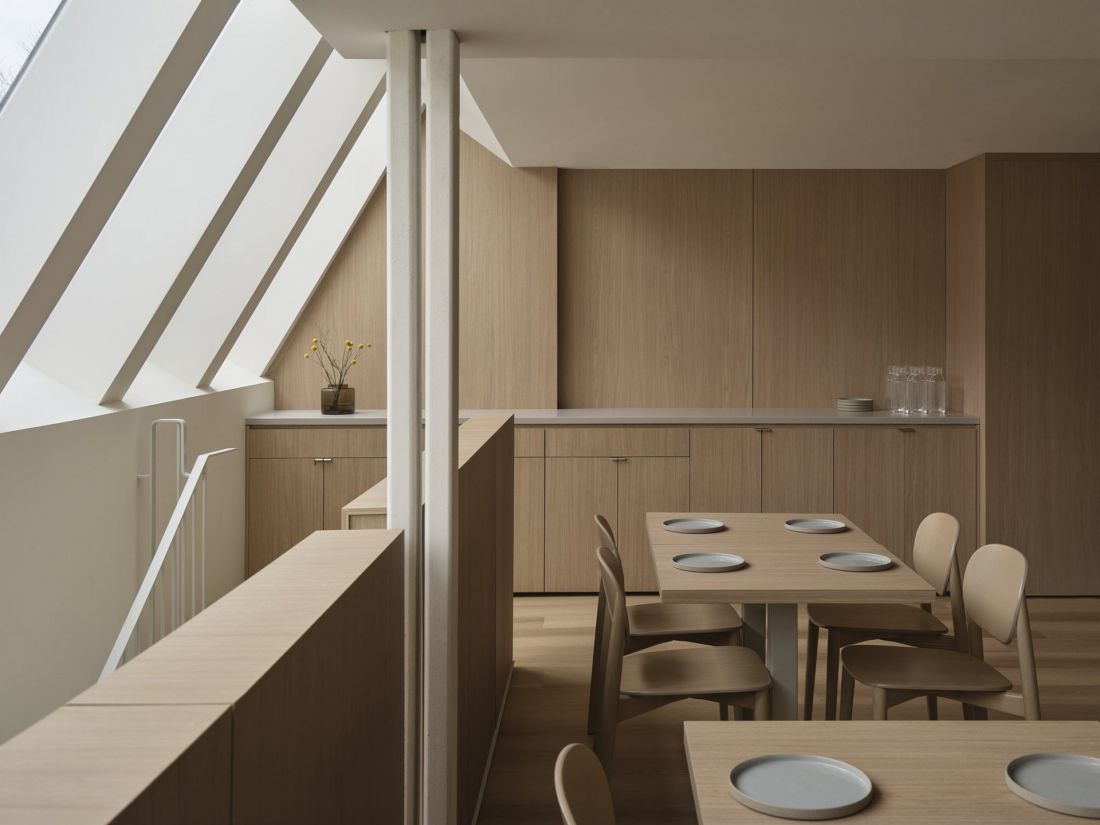
Pastificio Occhiolino in Toronto is more than just a restaurant—it’s a combination of a pasta shop and a culinary laboratory, where design and functionality had to find common ground. The Canadian design duo Guido Costantino and Domenica Rodà faced a considerable challenge: to create a space that would be both resilient to heavy use and delight guests with a warm, sensual atmosphere. Achieving this balance was made possible by using wood-based panels that look strikingly similar to authentic oak. Wood appears in two key areas here, serving a different purpose in each. On the table tops, it had to withstand daily use, scratches, moisture, and heavy foot traffic in a space that functions as both a restaurant and a pasta workshop. On the laminated wall panels, however, the wood served a purely spatial function: it set the mood and gave the interior rhythm and depth. The result exceeded expectations, and the local press named Occhiolino one of the most beautiful restaurants in the city.
Projects such as Pastificio Occhiolino clearly demonstrate the crucial role played by thoughtful design in high-traffic spaces. For this project, we supplied our Master Oak panels, which feature three times the scratch resistance while retaining the authentic look of oak. “This combination makes it possible to maintain a consistent premium aesthetic even in high-traffic environments such as restaurants and dining establishments,” says Caroline Van de Populiere, General Manager of Decorative Surfaces at Unilin Panels.
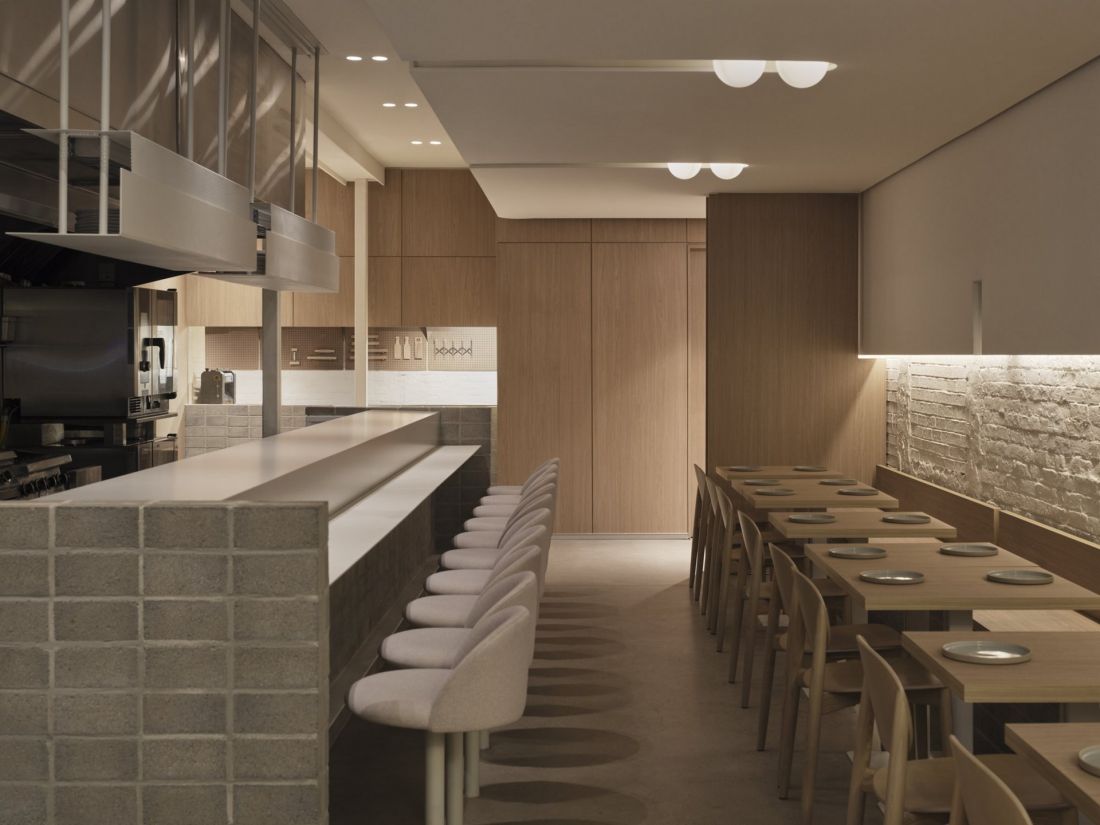
Pastificio Occhiolino Restaurant in Toronto
© UNILIN PANELS
© UNILIN PANELS
Hotel Rooms Filled with Wood
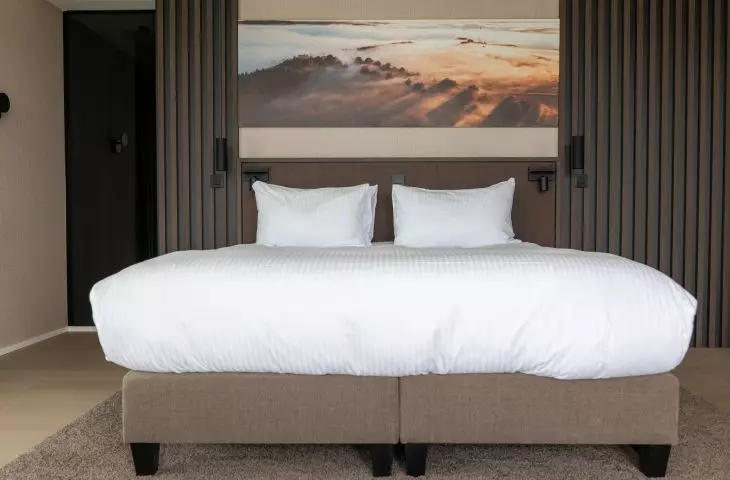
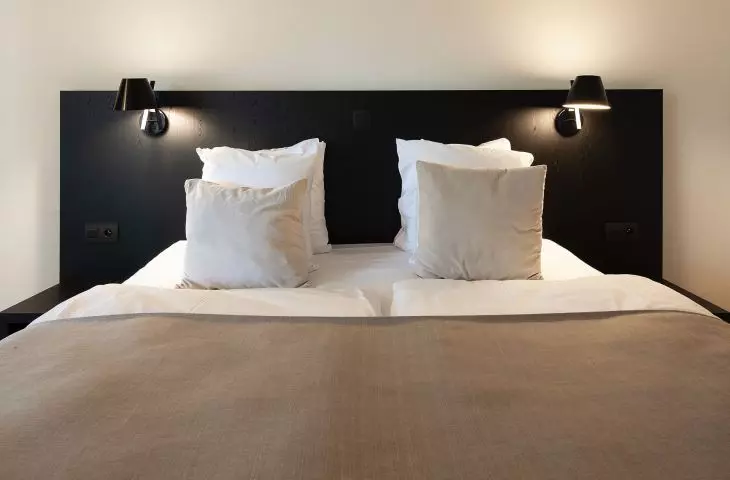
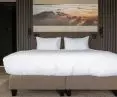
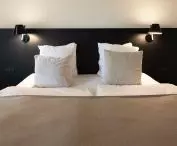
Meanwhile, the four-star Anatura Hotel in Luxembourg, situated on the shores of Lake Weiswampach and surrounded by vast forests, has opted for interiors that serve as an extension of nature. The warm, deep wood tones that dominate the rooms seamlessly bring the forest atmosphere of the surrounding area indoors, creating a space where guests feel at peace from the very first moment. Wooden elements are featured on the walls near the beds, desks, cabinets, and nightstands, and even on partition walls. Each of these furnishings serves a different function, but together they create a cohesive, warm space where wood is present both to the eye and to the touch. The authenticity of this effect is no accident. The surface of the panels replicates the texture of natural oak, thanks to 64 levels of depth achieved through Unilin Panels’ patented Timber Touch Technology, and the pattern measures as much as 2800 × 2070 mm, which means that every section of the wall or piece of furniture looks different. Just like with real wood, where no two growth rings are ever the same. At the same time, the interior combines two different finishes: brown oak and oak in a deep, smoky shade. Together, they introduce depth and the natural variation of the grain.
The Anatura Hotel is a perfect example of how high-quality design does not require aesthetic compromises. Natural oak might seem like the obvious visual choice here, but in a space subject to such heavy use, a more durable solution was needed. When the architects at Valentiny Architectes chose our Master Oak decorative panels, it was important to capture the spirit of the place—the forests surrounding the hotel, the tranquility, and the authenticity. This decor makes the surface nearly indistinguishable from oak, even to experts. “That’s precisely why it allowed us to preserve the look and texture of natural oak, but with a durability that solid wood simply cannot provide,” says Sam Lormans, Lead Design Manager at Unilin Panels.
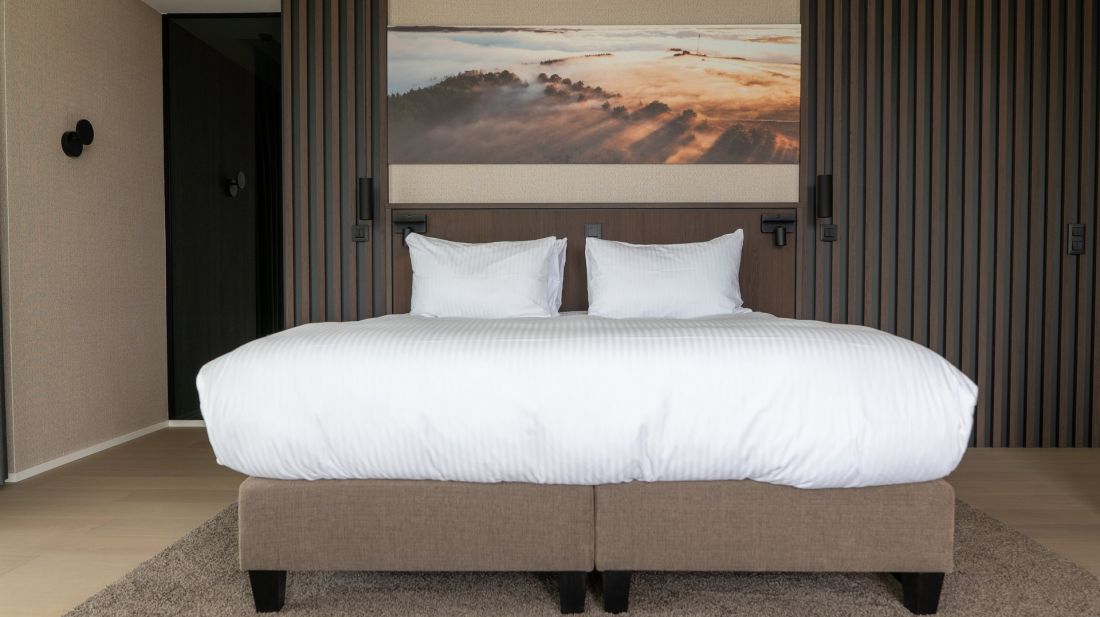
The Anatura Hotel in Luxembourg
© UNILIN PANELS
Renovation with Wood at Its Heart
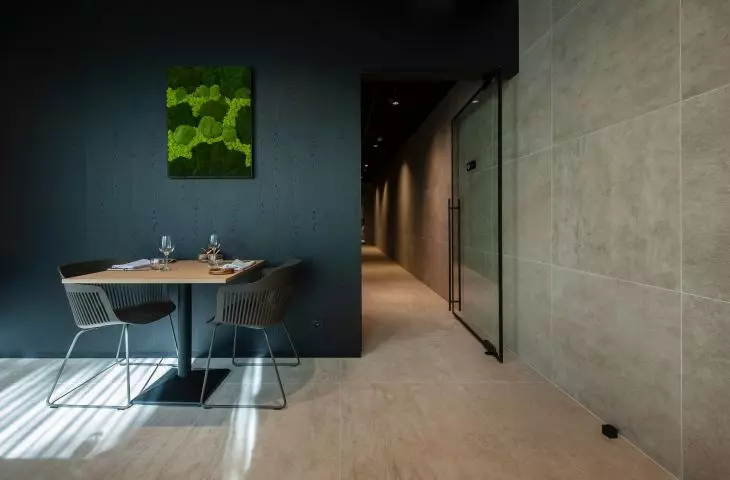
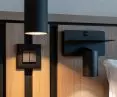
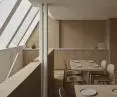
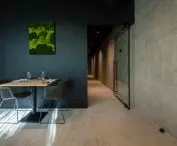
Another interesting example is the Hotel Corsendonk - Hooge Heyde in Kasterlee, Belgium, which underwent a thorough transformation. After taking over the property in 2018, Operations Manager Jan-Felix Nédée decided to give the hotel a completely new identity—one that is elegant, cohesive, and deeply rooted in a natural aesthetic. The result is a hotel with carefully curated color palettes for each of its 38 rooms, a renovated lobby, a restaurant, an event hall, and a wellness area. Wood is at the heart of the entire concept. Light shades of oak and a deep, elegant black appear on the dining room tables, partition walls, and in the hotel rooms around the beds and on the wardrobes. The consistency of this visual language across the hotel’s various areas creates a sense of harmony and a well-thought-out whole.
The modern character of the space also goes hand in hand with sustainable design. The selected materials not only look natural but are also durable and environmentally responsible. In line with contemporary ideas of sustainable development, Master Oak panels—made from 100% recycled wood—were chosen so that the hotel’s elegance would not come at the expense of the environment. At the same time, Clicwall systems were used, which enable quick installation and removal of wood-based decors, allowing the materials to be reused up to 10 times in subsequent spaces.
Most of the decors available in HPL are also offered in the Clicwall system. This is a very practical solution when designing spaces that incorporate various materials. “This allows us to maintain the visual consistency of the entire interior, which is of great importance in a hotel setting—it fosters a sense of harmony, comfort, and familiarity with the space,” says Jan-Felix Nédée, operations manager at Hotel Corsendonk - Hooge Heyde.
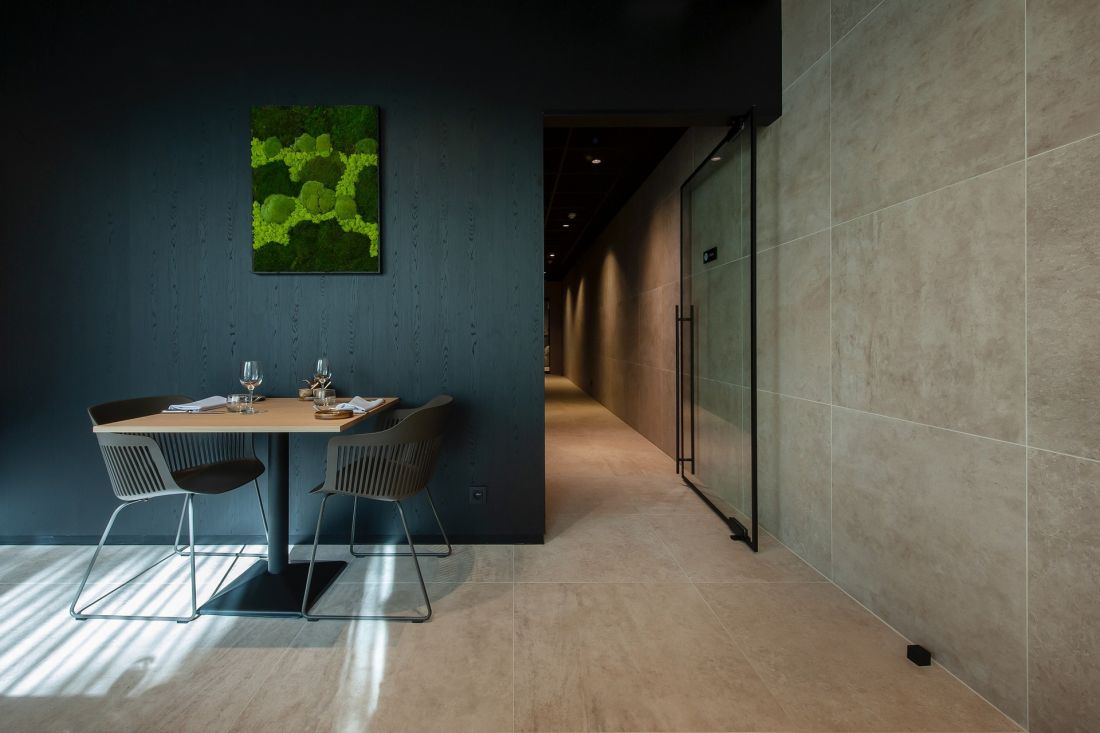
The Corsendonk - Hooge Heyde Hotel and Restaurant in Kasterlee, Belgium
© UNILIN PANELS
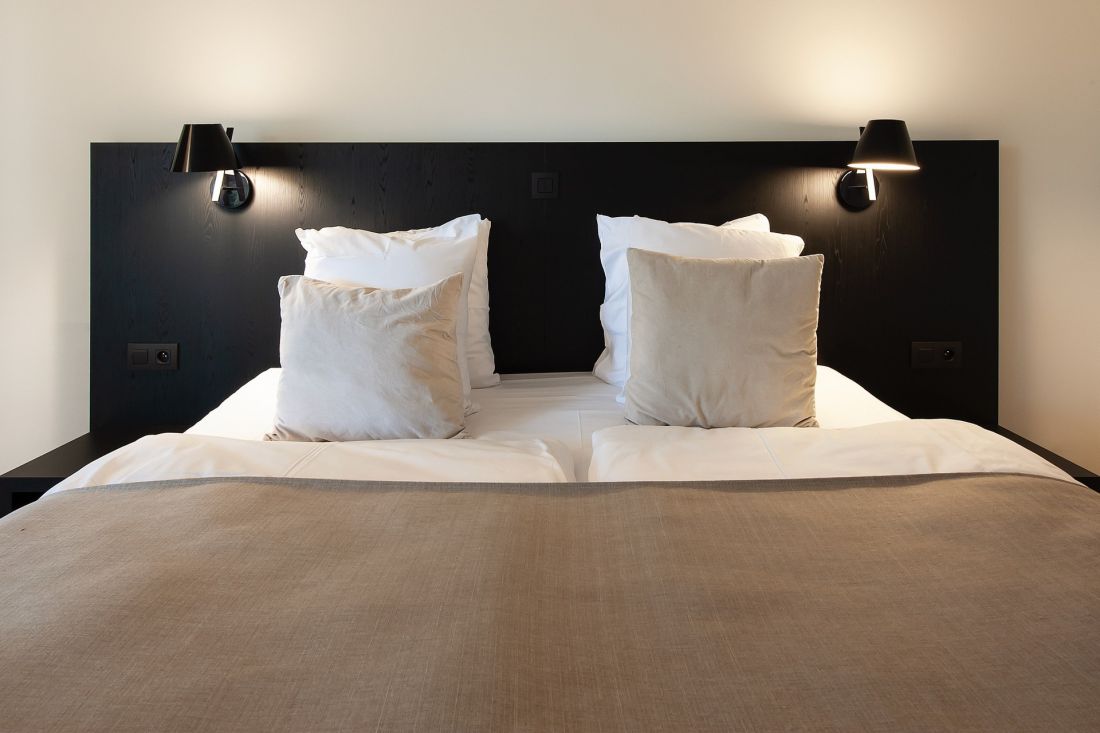
Anatura Hotel in Luxembourg
© UNILIN PANELS
Hotels and restaurants are increasingly turning to materials that combine aesthetics with sustainability, proving that one does not exclude the other. Natural finishes, durability, and recyclability are no longer a compromise but a new standard in hospitality design.
For more information, visit the UNILIN PANELS company page on the A&B portal.